A decade of Caux Dialogues: Impact and recommendations
21/07/2021
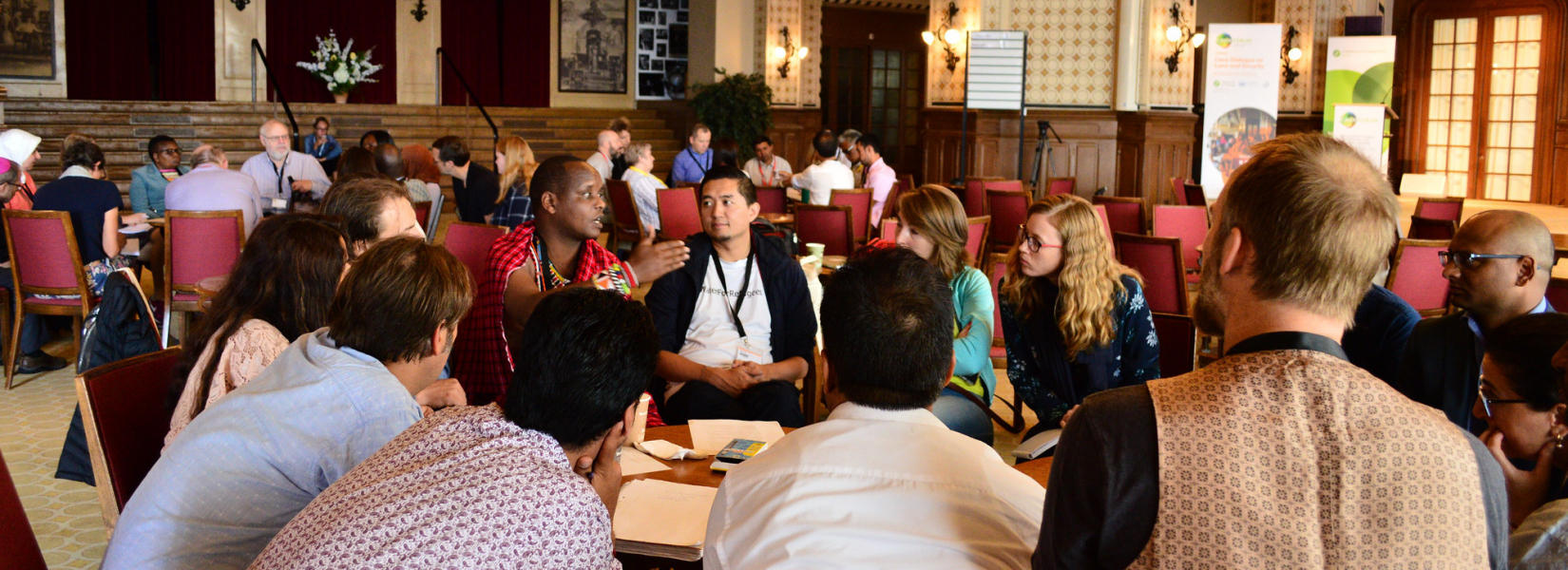
This report, written by Alan Channer and made possible thanks to the support of the Swiss Federal Department of Foreign Affairs (FDFA), looks back on a decade of Caux Dialogues on Environment and Security and highlights the key impact, recommendations and pointers to the future.

related stories
From Dialogue to Action: Advocates Call for Climate Collaboration at COP29
As COP29 opens in Baku, advocates for climate action, including Initiatives of Change, push for bold, actionable policy recommendations to address the urgent link between climate change, conflict and ...
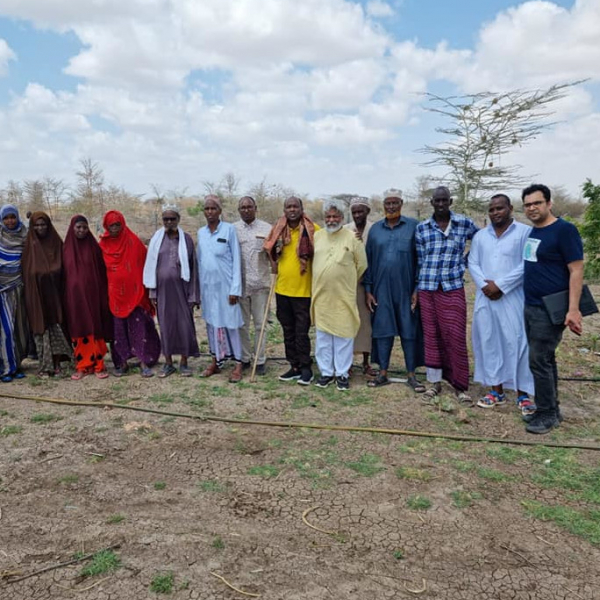
Help the Water Warriors save water in Kenya
Water Warriors is a groundbreaking collaboration between experts and activists in Kenya, India and Sweden launched by Initiatives for Land, Lives, and Peace (ILLP), the organizers of the annual Caux D...
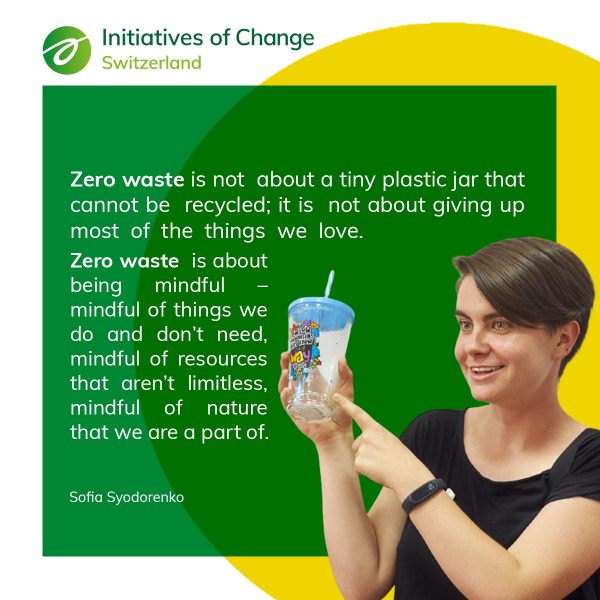
Sofia Syodorenko: A zero waste lifestyle is a mindful lifestyle
How did Sofia Syodorenko become involved in the zero waste movement, and what does it mean to her? Now Chair of Foundations for Freedom, she is also a representative of the Zero Waste Alliance Ukraine...
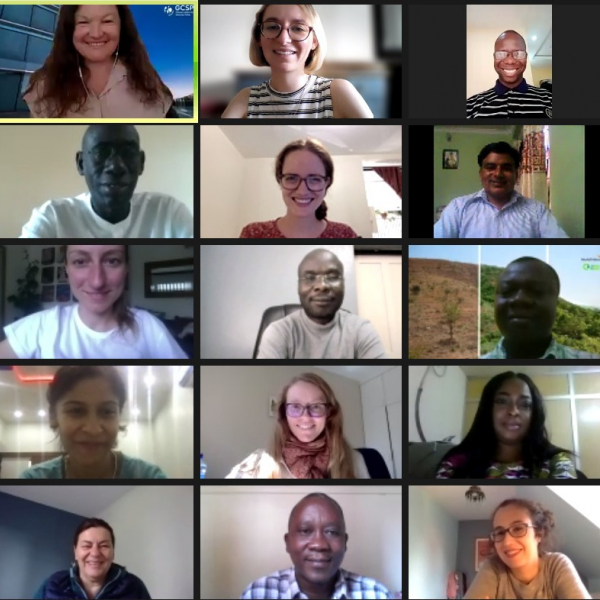
Forging a network of problem-solvers to build a secure and sustainable future
The Summer Academy on Climate, Land and Security 2021 brought together 29 participants from 20 countries. From Egypt and Senegal to the United States and Thailand, zoom windows opened for six hours ev...

Remaking a world in peril
The Caux Dialogue on Environment and Security (CDES) 2021 ran online from 20 July until 30 July, for the second consecutive year, comprising three open plenaries and seven workshops. This year’s discu...
A pathway to peace and prosperity in West and Central Africa
In the context of their partnership, Initiatives of Change Switzerland (IofC) and the Peace and Human Rights division of the Swiss Federal Department of Foreign Affairs organised a webinar on the them...

A closer look at links between environment and security
Food security is a key to understanding the complex connection between climate and security, Dhanasree Jayaram, Assistant Professor in the Department of Geopolitics and International Relations Manipal...

The art of making a difference to the climate crisis
‘Artists are uniquely positioned to face what is happening to the climate, to reimagine the world and create a new narrative,’ says Sveinung Nygaard (Sven), a Norwegian composer and musician. He was i...
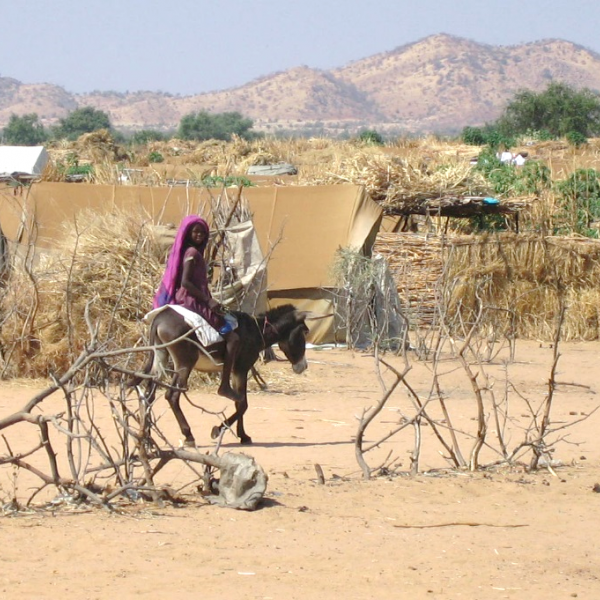
Governance of Land in the Sahel
How can we catalyse human security and building climate resilience through land restoration? Held on 2nd December 2020, this live webinar followed that of the 10th July 2020 on “Land and security in S...
Environmental peacebuilding must define our era
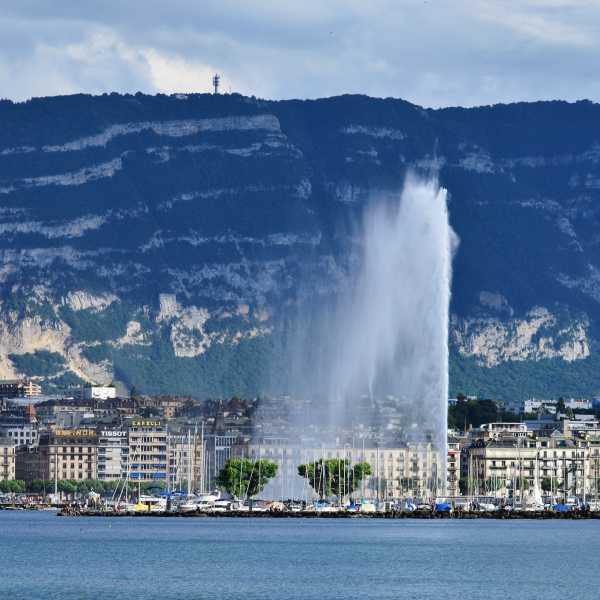
The theme of 2020’s Geneva Peace Week was ‘Rebuilding Trust after Disruption: pathways to reset international cooperation’. On 6 November, Initiatives of Change and the Geneva Centre for Security Poli...
The language of water – the language of the heart
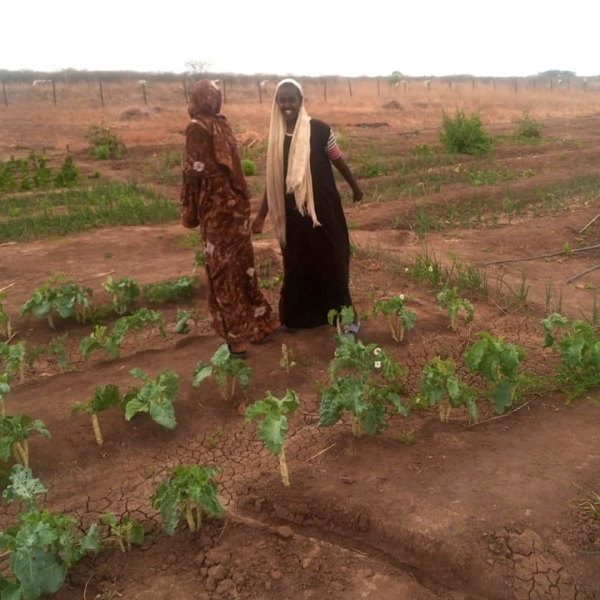
The Water Warriors, a collaboration between experts and activists in India, Sweden and Kenya to share water management solutions across the globe. Rishabh Khanna from IofC's Initiatves for Land, Lives...

Caux Dialogue on Environment and Security 2020
The Caux Dialogue on Environment and Security aimed high in its first online edition, with more than 15 sessions and a cumulative total of 450 participants. Experts discussed the connection between se...
Summer Academy 2020: expansive possibilities for the future
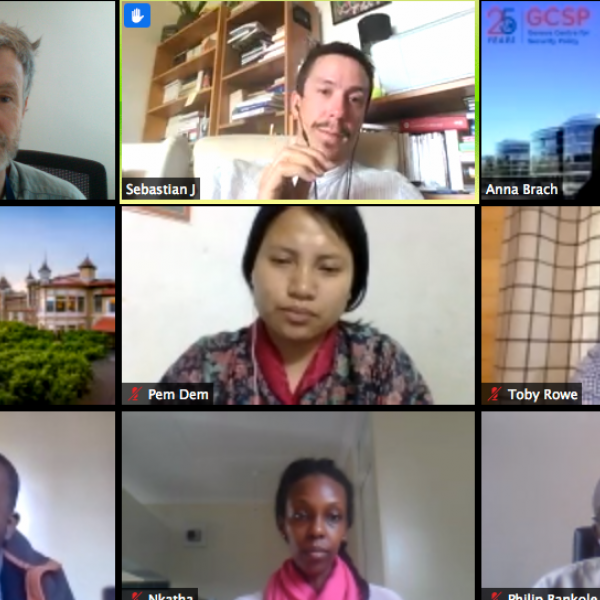
The effusive feedback from participants in the five-day 2020 Summer Academy on Land, Climate and Security vindicated the difficult decision to take the course online. Four months ago, this had seemed ...

Retooling the wheel for regenerative investment
Chau Tang-Duncan, co-founder and chief operating officer of Earthbanc, has been coming to Caux regularly since 2010. It was there that she first embraced the role she could have in connecting people a...